Complete Guide to Auto
Accidents and Injury in Sarasota
Your Roadmap to Recovery After a Car Crash
Sarasota’s roads—from the bustling I-75 corridor to the scenic U.S. 41 stretch along the coast—are lifelines for residents and visitors alike, but they’re also scenes of too many auto accidents. A rear-end collision, a T-bone at a busy intersection, or a hit-and-run can leave you with injuries, financial strain, and a fight against insurance companies. Florida’s unique laws offer a path to compensation, but navigating them takes know-how. Check out our hyper local resource to learn all your options after an accident.

Understanding Auto Accidents in Sarasota
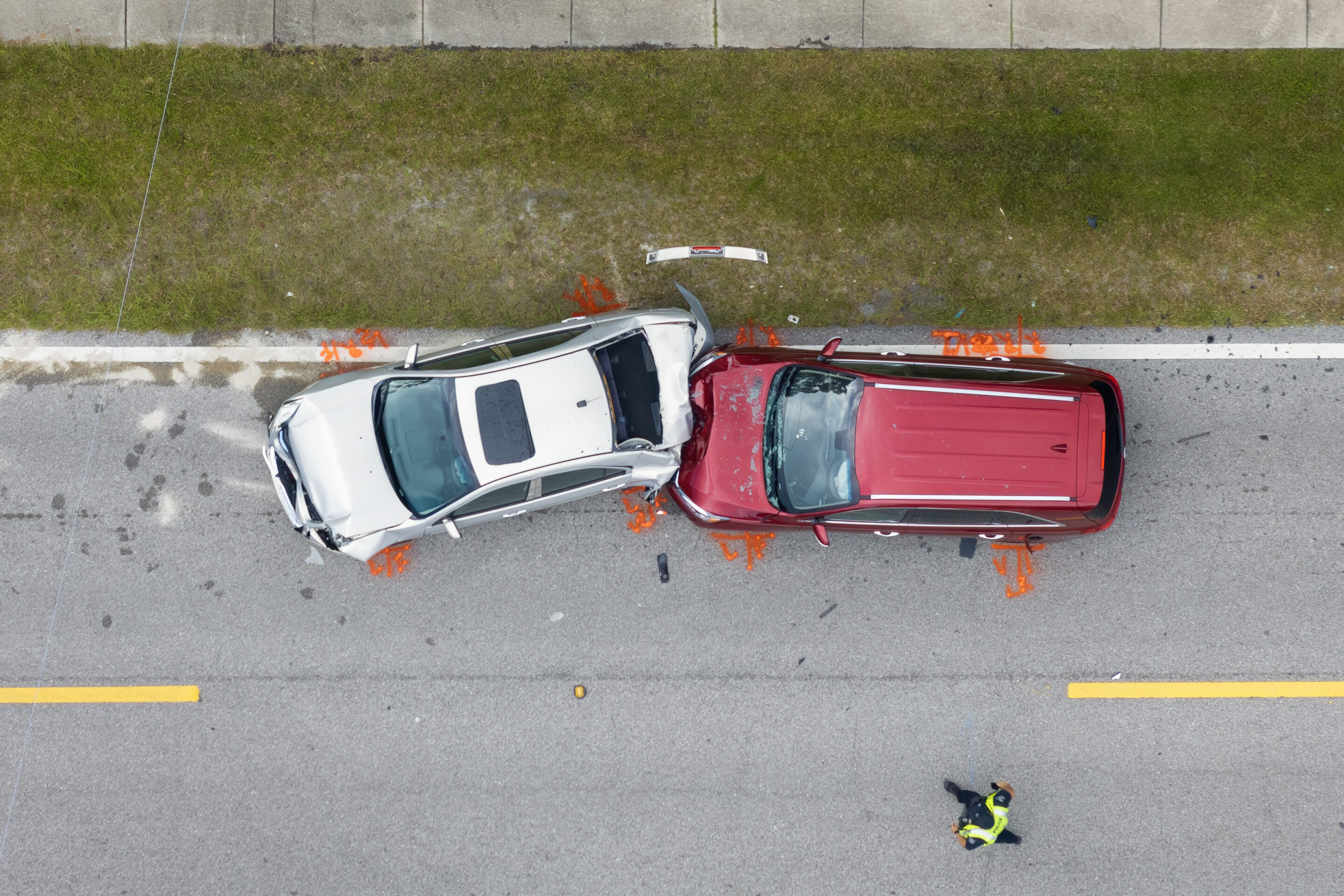
Auto accidents fall under personal injury law in Florida, governed by a mix of state statutes and local enforcement. Sarasota County sees thousands of crashes yearly—7,296 in 2022 alone—driven by tourist traffic, construction, and everyday commutes. Whether it’s a fender-bender downtown or a pileup on I-75, these incidents can change lives, and knowing your rights is the first step to recovery.
Common Auto Accidents and Injuries in Sarasota
Rear-End Collisions
The Injury
The Law
Florida’s no-fault system means your Personal Injury Protection (PIP) covers $10,000 initially (Florida Statute 627.736), but serious injuries let you sue the at-fault driver for more—like pain and suffering.
Sarasota Stat
Rear-ends dominate local crashes—over 30% of incidents, especially on congested U.S. 41.
T-Bone and Side-Impact Crashes

The Injury
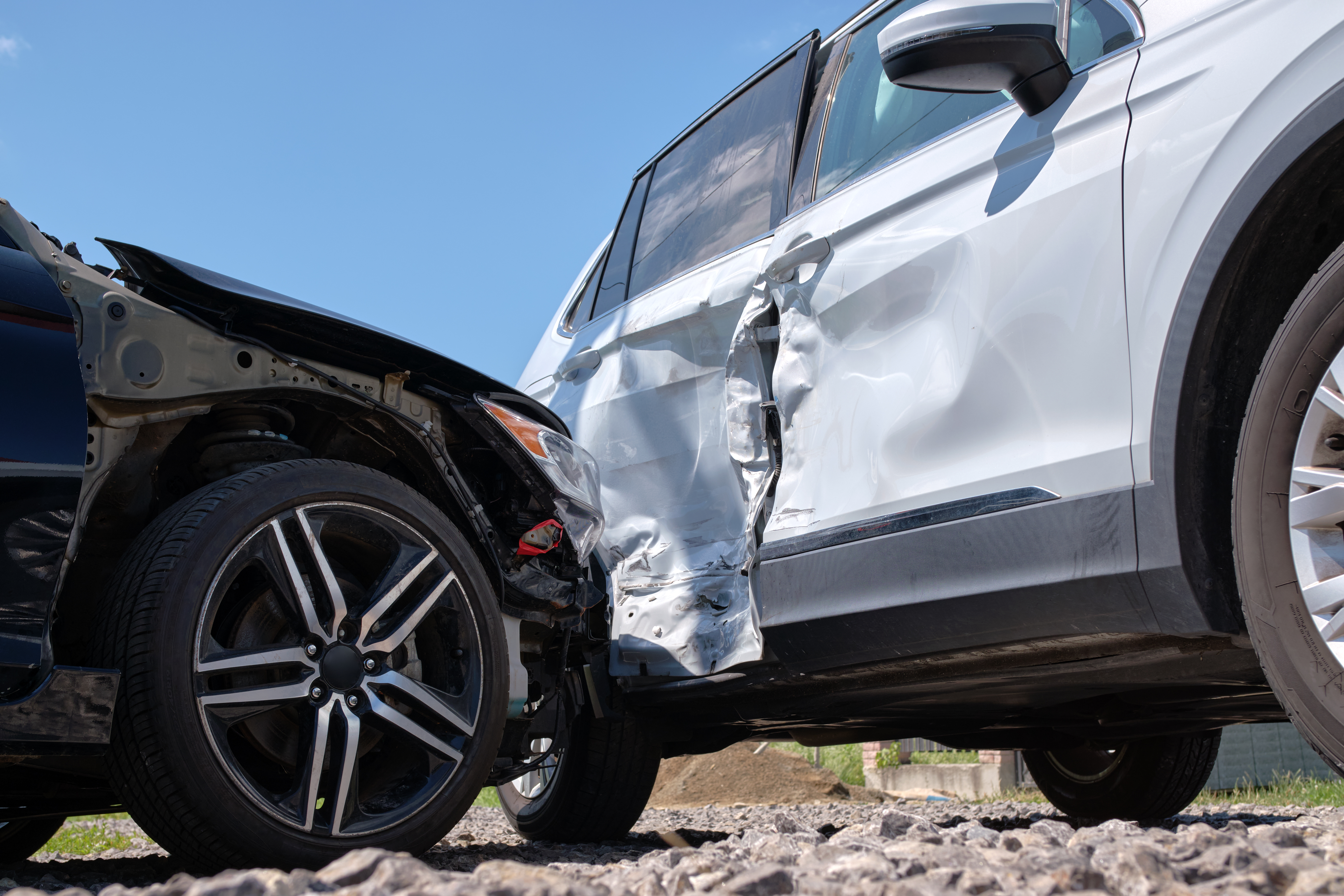
A side hit at Bee Ridge Road can fracture ribs, collapse lungs, or cause traumatic brain injuries (TBI)—no side airbags always save you.
The Law
Negligence—like running a red light—triggers liability beyond PIP for severe harm (Florida Statute 627.737). A 2023 Sarasota case settled for $850,000 after a T-bone shattered a pelvis.
Local Risk
Intersections like U.S. 41 & Siesta Drive are notorious hotspots.
Hit-and-Run Accidents
The Injury
A fleeing driver—like on Fruitville Road—might leave you with broken legs or internal bleeding, no one to blame on scene.
The Law
Your Uninsured Motorist (UM) coverage steps in if you have it—otherwise, it’s a tough fight. Florida law still allows PI claims if the driver’s caught.
Sarasota Note
Hit-and-runs spiked in 2022—Sarasota Sheriff logged dozens downtown.
Multi-Vehicle Pileups
The Injury
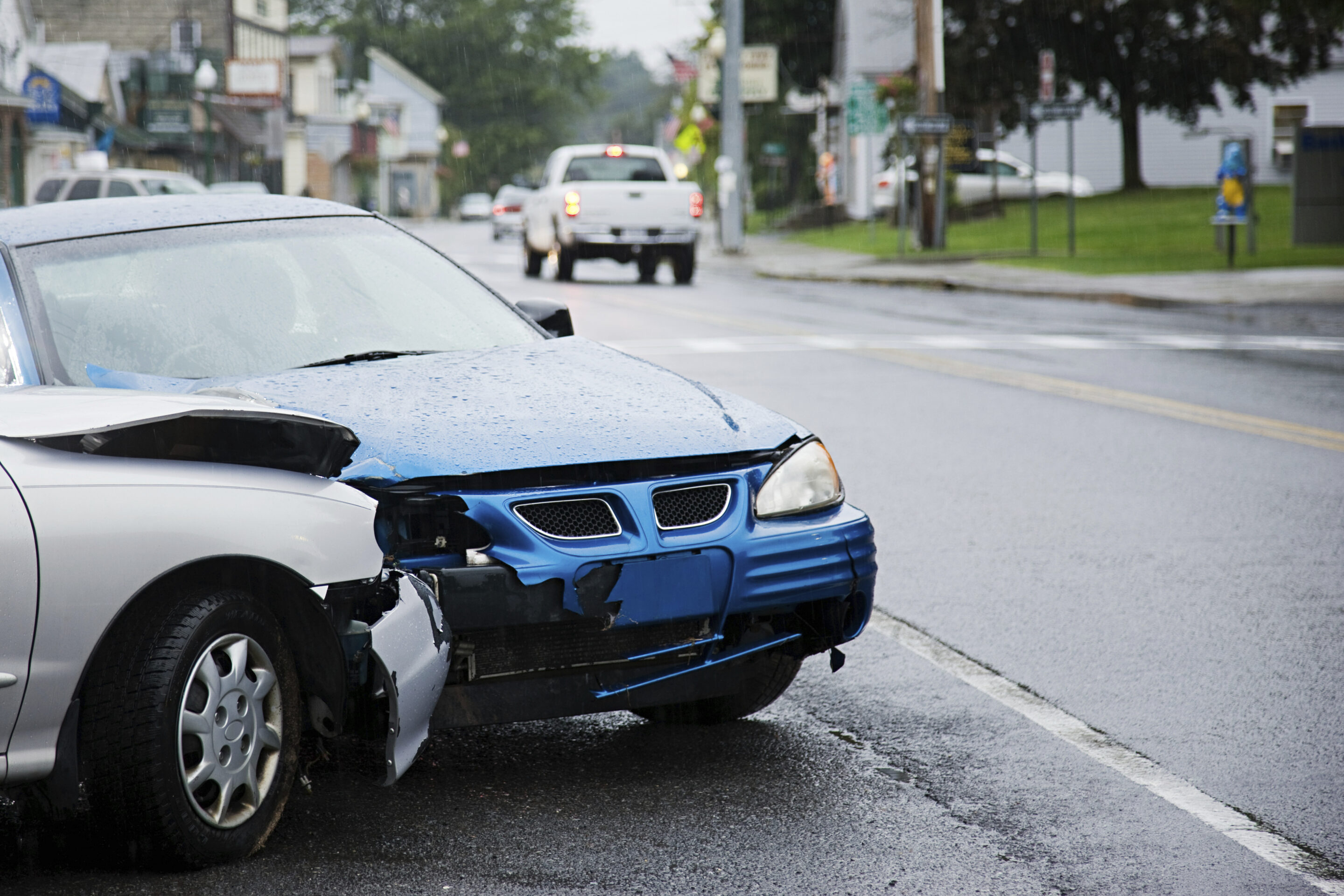
Chain reactions on I-75 can crush spines or kill—big rigs amplify the damage.
The Law
Multiple at-fault parties complicate fault—comparative negligence (Florida Statute 768.81) splits blame. A 2021 I-75 pileup won $1.2M for a survivor.
Local Fact
I-75 construction zones see these often—traffic jams turn deadly.

Florida Auto Accident Laws and Rules
No-Fault Basics
Comparative Negligence
If you’re partly to blame (e.g., speeding), your payout drops by your fault percentage—30% fault means 70% damages. Our lawyers keep it low.
Time Limits
2 years for PI claims (Florida Statute 95.11)—2 years if a death occurs (Florida Statute 768.21). Act fast—evidence fades.
Mandatory Reporting
Crashes with injuries or $500+ damage must be reported to police—Sarasota Sheriff (941-861-5800) or local PD.
What to Do After an Auto Accident in Sarasota
Ensure Safety and Get Medical Help
Report the Crash
Document Everything
Save Records
Call an Attorney
Mistakes That Hurt Your Case

Skipping Medical Care
Admitting Fault
Missing Evidence
Talking to Insurers Alone
Waiting Too Long
Comprehensive Professional Guide to Automobile Accidents and Personal Injury Claims in Florida: 20 In-Depth Facts, Figures, and Strategic Recommendations for Injured Claimants
Florida continues to rank among the most hazardous states for vehicular travel, with its unique no-fault insurance regime imposing stringent requirements on claimants seeking compensation. This exhaustive guide expands upon each of the 20 core elements, providing thorough analyses, authoritative statistics, legal interpretations, and actionable business-oriented strategies. Designed for injured parties, insurers, and legal professionals, it emphasizes evidence-based decision-making, risk mitigation, and maximization of recoverable damages. All data reflects the latest available from the Florida Department of Highway Safety and Motor Vehicles (FLHSMV), Florida Department of Transportation (FDOT), and peer-reviewed sources. Immediate consultation with a board-certified civil trial attorney is imperative for case-specific application.
Section I: Authoritative Facts and Quantitative Analyses
1. Florida Operates as a Pure No-Fault Insurance Jurisdiction Florida Statute § 627.736 mandates that all registered motorists maintain Personal Injury Protection (PIP) coverage of at least $10,000. This no-fault system ensures that your own insurer reimburses 80% of reasonable medical expenses and 60% of lost wages—irrespective of fault—for covered incidents. However, eligibility hinges on initiating treatment within 14 days of the accident; failure voids benefits. PIP also extends to 70% of essential services for permanently injured claimants. Strategic Implication: In minor incidents, PIP resolves claims swiftly without litigation; yet, exhaustion of limits (common in moderate cases) necessitates “stepping out” via lawsuit. Annual PIP payouts exceed $2 billion, underscoring its economic scale. Verify policy compliance via FLHSMV verification portal to preempt denials.
2. Alarming Scale of Traffic Incidents: 2024 Recorded 395,175 Crashes Per the FLHSMV’s 2023 Annual Report (finalized January 2025), Florida experienced 395,175 codable crashes, yielding 252,285 injuries and 3,375 fatalities—a 13% fatality rise from prior years. March remains the deadliest month, averaging 350 fatalities due to spring break tourism and inclement weather. 2025 YTD (as of October 9): 275,000+ crashes, 179,158 injuries, and 2,104 fatalities, projecting 400,000+ total crashes by year-end. Business Impact: These figures translate to $12+ billion in economic losses (medical, productivity, property). High-risk corridors (I-4, I-95) demand enhanced fleet telematics for corporate risk managers.
3. “Serious Injury Threshold” for Tort Liability: Rigorous Evidentiary Standard To pierce no-fault immunity and pursue non-economic damages (pain/suffering) from the at-fault party, claimants must medically substantiate permanent injury, significant/permanent loss of bodily function, permanent scarring/dismemberment, or death (Fla. Stat. § 627.737). Judicial Precedent (e.g., DiGirolamo v. State Farm) requires objective diagnostics (MRI, EMG) over subjective complaints. 85% of minor claims fail threshold, per insurer data. Recommendation: Engage independent medical examiners (IMEs) early; successful threshold proofs yield 3x higher settlements.
4. Abbreviated Statute of Limitations: 2-Year Filing Deadline HB 837 (2023) slashed the personal injury limitations period from 4 to 2 years from the accident date (Fla. Stat. § 95.11(4)(a)), effective March 24, 2023—forwards. Exceptions: Fraudulent concealment tolls; minors/incapacitated extend to 7 years. Litigation Reality: 60% of claims settle pre-suit, but delays erode witness memory/evidence. Compliance Protocol: File presuit notice within 90 days of PIP exhaustion; docket electronically via Florida Courts E-Filing Portal.
5. Pure Comparative Negligence Doctrine: Proportional Recovery Model Florida adheres to pure comparative fault (Fla. Stat. § 768.81), permitting recovery even if 99% liable—damages reduced by claimant’s fault percentage. Case Example: $100,000 verdict reduced to $1,000 at 99% fault. Strategic Defense: Apportion via dashcam/black box data; insurers contest via surveillance. Corporate Tip: Implement driver training to minimize exposure.
6. Empirical Settlement Benchmarks: $23,900 Statewide Average 2025 data aggregates $5,000–$20,000 (soft tissue/whiplash), $20,000–$100,000 (fractures/concussions), and $500,000+ (traumatic brain/spinal) per firm verdicts. Severe neck/back: $965,000 median. Factors: Medical specials ($50k+ boosts 40%), liability clarity, venue (Miami: 20% premium). Negotiation Leverage: Attorney involvement elevates by 350%.
7. Mandated Minimum Coverages: $10,000 PIP + $10,000 PDL No Bodily Injury Liability (BI) required—unique to Florida—exposing claimants to underinsured gaps. 2025 Status: PIP repeal bills (HB 1181/SB 1256) failed; $25k/$50k BI opt-in urged. Risk Analysis: 40% policies inadequate; supplement with UM/UIM $100k+.
8. Distracted Driving Crisis: 300+ Fatalities Annually FLHSMV 2024 prelim: ~300 deaths, 2,200+ serious injuries from cell use—#1 non-impaired killer. 2025 Trajectory: Unchanged, per NHTSA. Liability Boost: Texting = negligence per se; subpoenas yield conviction data.
9. Lifetime Crash Probability: 1 in 3 Floridians Cumulative risk: 33% involvement; Miami-Dade: ~40,000 crashes (2025 est.). Demographic Hotspots: Ages 20-29 (25% crashes).
10. 2025 Year-to-Date Crisis: 275,000+ Incidents 275,000 crashes, 179,158 injuries, 2,104 fatalities (Oct 9)—worsening 5% YoY. Projections: 3,600 fatalities by Dec 31.
Section II: Strategic Recommendations for Claim Protection and Maximization
11. Mandatory Emergency Response: Invoke 911 Protocol Immediate 911 activation secures official police report (Fla. Stat. § 316.066)—indispensable for claims. Leaving scene: Felony hit-run. Execution: Activate hazards; triage injuries.
12. Expedited Medical Intervention: 14-Day Compliance Imperative ER/primary care within 14 days activates PIP; whiplash manifests 72+ hours. Documentation Hierarchy: EMRs > bills > journals.
13. Forensic Scene Preservation: Multi-Media Evidentiary Capture Geotagged photos/videos (vehicles, skid marks, signals); witness affidavits. Exchange: Full FLHSMV Form HSMV 90010.
14. Verbal Restraint Discipline: Eliminate Admissions Neutral scripting: “Seeking medical evaluation.” Admissibility: Statements = party admissions (Fla. Stat. § 90.803).
15. Carrier Notification Protocol: 10-Day Reporting, Attorney Buffer Report sans statement; lowball rejection rate: 70%.
16. Retained Counsel Engagement: Contingency Model Optimization Board-certified firms amplify 3-5x; 33% fee cap (Fla. Bar Rule 4-1.5).
17. Archival Records Management: Comprehensive Dossier Assembly Digital ledger: Bills, PTO, therapy logs; gap rebuttal.
18. Digital Forensics Hygiene: Social Media Lockdown Private profiles; insurer PI budgets: $5k/case.
19. Settlement Negotiation Mastery: Post-MMI Patience Initial offers: 50-70% undervalued; demand packages post-MMI.
20. Primary Hazard Mitigation: Scene Evacuation Priority Flee to shoulder; secondary collisions: 20% fatalities.
Executive Summary & Call to Action: Florida’s ecosystem demands proactive, documented precision. Economic Imperative: Untapped claims forfeit $1B+ annually. Engage counsel today via Florida Justice Association directory. Drive Defensively. Claim Aggressively.

Quick Facts: Auto Accidents in Sarasota
| Crash Type | Key Rule |
| Rear-End | PIP first—sue for negligence if severe. |
| T-Bone | Serious injury unlocks PI—fault is key. |
| Hit-and-Run | UM coverage or PI if caught—4 years. |
| Pileups | Multiple faults—comparative negligence. |
| Time Limit | 2 years PI, —act fast. |
Injured in a Sarasota Auto Accident? We’ve Got Your Back /span>
Learn all your options.