Bicycle Accidents
in Sarasota Florida
Your Guide to Bike Crashes, Injuries, and Legal Rights
Sarasota’s bike-friendly trails, like the Legacy Trail or rides along U.S. 301, are a thrill until a car or scooter sends you sprawling. Bicycle accidents can mean road rash, broken bones, or worse, and Florida law offers recourse.
Sparse Bike Lane Network: Sarasota County trails other Florida areas in bike infrastructure. The Legacy Trail offers a 20-mile paved path, but major roads like U.S. 41 have narrow or missing bike lanes, forcing cyclists to share space with 40-50 mph traffic, a dangerous mix.
High-Risk Areas: Downtown Sarasota’s busy streets and Siesta Key’s cramped Beach Road lack protected lanes, while Clark and Beneva Roads draw complaints for poor visibility and aggressive drivers. Missing bike-specific features like signals worsen the hazards.
Tourist Factor: Sarasota’s vacation appeal brings inexperienced cyclists, especially in winter and spring. Unfamiliar with local rules or aggressive seasonal drivers, tourists increase collision risks.

Accident Stats: Florida’s deadly cycling reputation hits hard in Sarasota, with crashes like a 2023 U.S. 41 fatality tied to absent lanes and driver inattention. Flat terrain and year round biking heighten exposure.
SARASOTA - Known For Dangerous Bicycling Conditions
Key Statistics:
– Florida had 234 bicyclist fatalities in 2023, 207 in 2024, and 185 through late 2025 (with over 9,000 injuries in recent years).
– Sarasota County ranked 2nd deadliest US county for cyclists (2017-2021 data) with a fatality rate of 5.53 per 100,000 people.
– Recent years show high crash numbers in Sarasota, including dozens of incidents annually involving bikes.
– Statewide, bike crashes rose in some periods, with urban roads and high-speed areas driving the risks.
Why So Dangerous in Sarasota?
– Narrow or missing bike lanes on major roads like U.S. 41, Clark Road, Beneva Road, and Siesta Key’s Beach Road.
– High-speed traffic (40-50 mph), distracted drivers, and tourist unfamiliarity with local rules.
– Poor infrastructure in urban and connector areas, despite paths like the Legacy Trail being safer but disconnected.
– Factors like humidity, storms, and aggressive driving add to the peril.
– Florida’s roads rank high nationally for pedestrian and cyclist deaths.
Recent Tragedies:
– February 2026: A 65-year-old Michigan man killed on Beach Road near Siesta Key Beach Access 9 while in a designated bike lane (struck by pickup truck).
– February 2026: 27-year-old Sarasota cyclist critically injured in hit-and-run at Bee Ridge Road and McIntosh Road.
– Late 2025: 42-year-old bicyclist killed in Thanksgiving crash with SUV in Sarasota.
– Ongoing reports of hit-and-runs and injuries highlight persistent risks.
How to Protect Yourself as a Cyclist:
– Ride in visible groups or use well-lit paths when possible.
– Wear bright/reflective gear, use lights day/night, and follow traffic laws.
– Avoid high-risk roads; stick to dedicated lanes or trails.
If in an accident:
Prioritize safety, call 911, get medical help quickly (within 14 days for PIP), document everything, gather witnesses, and consult a professional.
– Florida law: Bikes share roads, no helmet required for adults over 16 (but strongly recommended), 3-foot passing rule exists but enforcement varies.
Resources for More Info:
– Florida Highway Safety and Motor Vehicles Crash Dashboard: https://www.flhsmv.gov/traffic-crash-reports/crash-dashboard/
– Florida Bicycle Association Statistics: https://floridabicycle.org/statistics
– National Bicycle Accident Statistics Overview: https://bicycleaccidentlawyers.com/bicycle-accident-statistics
– League of American Bicyclists State Report Cards: https://bikeleague.org/bfa/states/state-report-cards
Ride smart, stay visible, and demand safer infrastructure. Paradise shouldn’t cost lives.
Understanding Bicycle Accidents
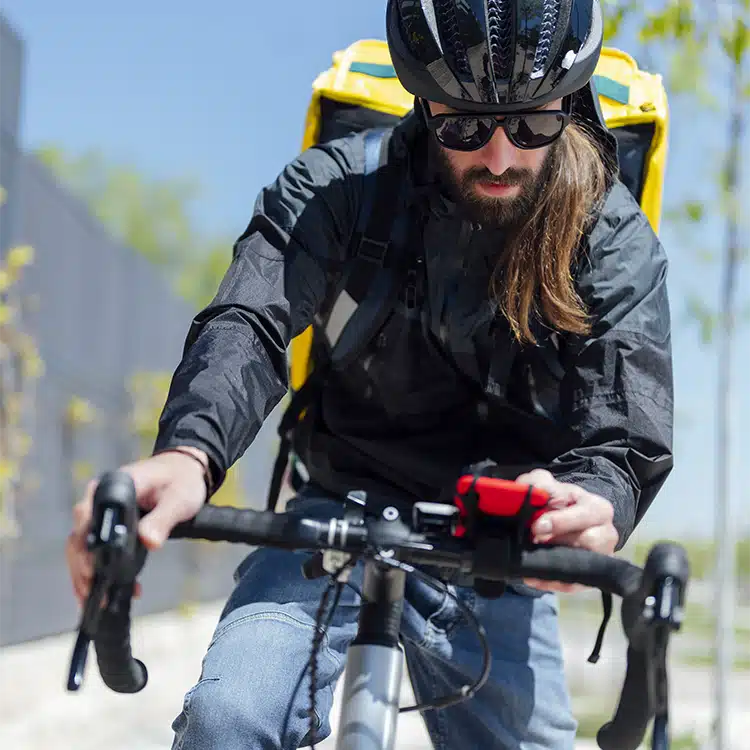
Bicycle crashes fall under personal injury law, often due to driver negligence or unsafe roads. Sarasota’s cycling culture meets tourist traffic, raising risks at spots like Siesta Key Road.
-
Common Causes: Bike accidents often stem from driver negligence (e.g., not checking blind spots), distracted cycling, or hazardous road conditions like potholes.
-
Frequent Injuries: Scrapes and bruises are typical, but fractures, head trauma, and spinal injuries are also common, especially without helmets.
-
Insurance Disputes: A common issue is insurers claiming the cyclist was partly at fault to reduce payouts, a concept known as comparative negligence.
-
Legal Missteps: People commonly delay seeking medical or legal help, weakening their claims due to a lack of evidence or missed deadlines.
-
Settlement Trends: Many cases settle out of court, but lowball offers are common early on, pushing claimants to negotiate or litigate.
Common Bicycle Injuries and Florida Law
Road Rash
The Injury
Skidding on pavement like near Lido Beach scrapes skin, sometimes needing grafts.
The Law
PIP covers $10,000; sue drivers for negligence (e.g., cutting you off).
Sarasota Stat
178 motorcycle/bike crashes in 2022 road rash is frequent.
Fractures
The Injury
A crash on University Parkway can snap arms or legs.
The Law
Serious injuries bypass PIP for PI claims (Florida Statute 627.737).
Local Case
A 2021 cyclist won $400K for a femur break.
Head Injuries
The Injury
No helmet (optional 16+, Florida Statute 316.2065) can mean TBI.
The Law
Sue if driver’s at fault; no helmet may cut payout via comparative negligence.
Florida’s Bicycle Rules
Bikes as Vehicles
Same road rights and duties as cars.
PIP and PI
Initial coverage, then sue for severe harm.
Time Limit:
4 years (Florida Statute 95.11).
If you’ve been in a Bicycle Accident in Sarasota, here are 10 key things to do for your personal injury (PI) case. This is general info only – not legal advice. Consult a professional for your situation.
Florida uses no-fault insurance rules for some claims, but bike accidents often involve going after the at-fault driver’s liability insurance (or your own uninsured/underinsured coverage if needed). The statute of limitations for most PI claims is 2 years from the accident date. Florida has modified comparative fault: you can recover if less than 51% at fault, but your award reduces by your share of blame.
1. Prioritize Safety and Move to a Secure Area
If possible, get yourself, your bike, and any hazards out of traffic right away to avoid more injury. Assess for dangers like oncoming cars. This helps prevent worse harm and supports showing causation in your claim.
2. Call 911 and Report the Accident to Police
Call emergency services immediately, even for minor injuries. Request a police report – Florida requires reporting crashes with injury or $500+ property damage. Give facts only; don’t guess fault. The official report is key evidence for your PI case, including driver details, witnesses, and any citations.
3. Seek Immediate Medical Attention (Within 14 Days)
Get checked by EMTs at the scene or go to a hospital (like Sarasota Memorial). Follow up with a doctor even if pain shows up later. You must seek treatment within 14 days to access up to $10,000 in PIP benefits from your auto policy (if you have one – bikes don’t count as vehicles). Medical records prove injuries link to the crash and support damages like bills, lost wages, and pain.
4. Document the Scene Thoroughly
Take photos/videos of the site (bike damage, road conditions, skid marks, signs), your injuries, the other vehicle, and license plate. Note weather, time, and location. This evidence helps prove negligence (like driver violations of cyclist rules). Preserve your bike/helmet – don’t repair it until documented.
5. Gather Witness Information and Driver Details
Exchange info with the driver (name, contact, insurance, vehicle) without talking about fault. Get names/numbers/statements from witnesses. Witnesses can back up your side and help with fault disputes.
6. Notify Your Insurance Company (But Be Careful)
Report to your auto insurer for PIP or UM coverage. Stick to basic facts; don’t admit fault or give recorded statements without guidance. For full recovery, pursue the driver’s bodily injury liability. Avoid early releases – insurers may offer low amounts.
7. Collect and Organize All Records
Get the police report (through FLHSMV Crash Portal), medical bills/records, repair estimates, proof of lost wages, and photos. Track all treatments. These show economic damages (medical costs, etc.) and non-economic ones (pain). Good records help meet any serious injury threshold to sue beyond no-fault.
8. Avoid Admitting Fault or Posting on Social Media
Don’t apologize or say “I’m okay” at the scene – insurers can use it against you. Keep social posts private; don’t share accident details. Statements or posts can affect fault percentage (e.g., helmet use isn’t required for adults over 16, but could factor in).
9. Follow Medical Advice and Track Recovery
Go to all appointments, therapy, and follow plans. Document how injuries impact daily life (e.g., note pain levels in a journal). Following advice proves the injury is real and maximizes compensation for ongoing or future needs.
10. Consult a Bicycle Accident Attorney ASAP
Talk to an experienced lawyer soon for a free consult – they handle negotiations, evidence gathering, and lawsuits (often on contingency – no win, no fee). They help prove fault, maximize recovery, and navigate rules. Don’t settle without one – serious cases can involve significant compensation.
What to Do After a Bicycle Accident
Get Medical Help
Memorial or urgent care document it.
Report It
Police report, driver info, witnesses.
Snap Photos
Bike, road, injuries.
Save Records
Keep copies of all medical bills, receipts, and insurance correspondence. Maintain a journal or notes about pain levels, treatment progress, and how the injury affects daily life. Organized records strengthen your ability to demonstrate the impact of the accident.
Seeking Support After a Bicycle Accident
Mistakes to Avoid
Skipping medical care, failing to report the incident, or neglecting evidence can weaken a claim. Talking to insurers without preparation or waiting too long risks reduced compensation or missed deadlines. Social media posts and missed treatments can also hurt your position.
Getting Your Settlement
Looking For Information About Bicycle Accidents?
This guide is a local resource created for residents and communities across Southwest Florida.